01How it started
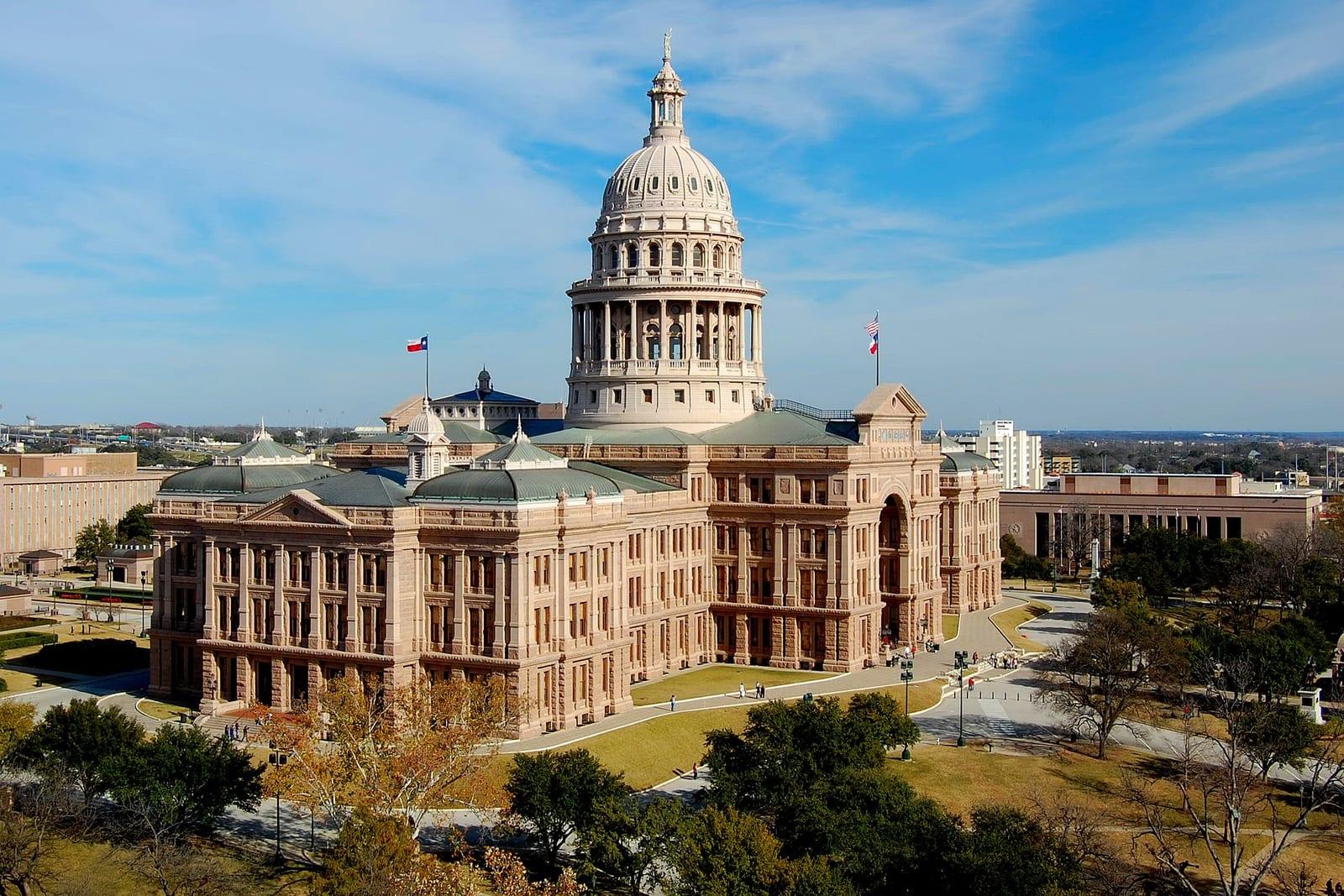
Congressional maps are normally redrawn once a decade, after the census. In 2025, under pressure from the president, Texas Republicans redrew the state's map in the middle of the decade with a stated goal: pick up roughly five more Republican House seats in 2026.
A federal district court blocked the new Texas map in November 2025, finding substantial evidence of racial gerrymandering and ordering the state back to its 2021 lines. The Supreme Court stayed that order in December, and in April 2026 it allowed the new map to be used for the midterms.
02California's answer: Prop 50
California voters approved Proposition 50 in November 2025 with about 64 percent of the vote. Championed by Governor Gavin Newsom as a direct response to Texas, it replaced the state's independent commission map for congressional races with lines drawn to flip up to five Republican held seats.
Republicans challenged it. In February 2026 the Supreme Court cleared California to use the new map this year. Legislators had removed trigger language tying the map to Texas before the vote, so the California lines stand regardless of what happens to Texas.
03Is fighting fire with fire right?
Plenty of people who care about fair maps were uncomfortable with Prop 50. Independent commissions are a good reform. But unilateral disarmament in a fight over control of Congress is not a principle, it is a surrender. California's measure was temporary, approved directly by voters, and explicitly framed as a response.
The real fix is a national standard, so no state has to choose between fair maps and a fair fight.
That fix requires Congress: federal limits on partisan gerrymandering and a ban on mid-decade redraws for political gain. The Supreme Court has said federal courts will not police partisan gerrymanders, so the job falls to legislation.
04The Voting Rights Act wildcard
In April 2026, the Supreme Court's decision in Louisiana v. Callais made it much harder to challenge maps under Section 2 of the Voting Rights Act. States can now defend many maps by claiming they drew lines based on party rather than race. Expect more aggressive maps in future cycles unless Congress or state courts step in.
05What it means for you
- Your district may have changed. Look up your current representative and district before you vote.
- Candidates you are used to seeing may not be on your ballot anymore.
- State legislative and state supreme court races decide future maps. They are on your ballot too.
- Support national redistricting reform when candidates tell you where they stand.
Opinion and analysis from the Feed After Midnight editorial desk. Facts, figures, and quotes are drawn from the reporting listed in the sources below and reflect what was known on the publish date.
Frequently asked questions
Yes. A district court blocked the 2025 map, but the Supreme Court stayed that ruling in December 2025 and in April 2026 allowed the new map to be used for the midterms.