01The SAVE America Act
The SAVE America Act would require documentary proof of citizenship, like a passport or birth certificate, when registering to vote, and photo ID when voting. In practice it would make most online and mail registration unworkable, since documents would generally have to be presented in person.
It passed the House again in February 2026 but has stalled in the Senate, where it needs 60 votes to overcome a filibuster. As of now, it is not law, and it does not change the rules for the 2026 midterms.
Noncitizen voting in federal elections is already illegal, and audits consistently find it vanishingly rare. The practical effect of documentary proof requirements falls on eligible citizens who do not have a passport or cannot easily find a birth certificate, including many married people whose names have changed.
02The executive orders
In March 2025, an executive order directed the Election Assistance Commission to add a proof of citizenship requirement to the national voter registration form. Federal judges blocked key portions of it. In March 2026, the president signed Executive Order 14399, focused on citizenship verification in federal elections.
The Constitution's Elections Clause gives states the power to set the times, places, and manner of elections, and gives Congress the power to change those rules. It does not give that power to the president, which is why voting rules set by executive order face steep legal challenges.
03The fight over mail ballots
The president has called for ending most mail voting, and the administration has asked the Supreme Court to allow a new Postal Service rule affecting mail ballots to take effect before the midterms. Mail voting rules are still set by each state, and millions of Americans, including military voters, people with disabilities, and rural voters, rely on it.
If you plan to vote by mail, the single best protection is time. Request early, return early, and track your ballot.
04Your 2026 voting checklist
- Check your registration now at vote.gov. Purges and address changes happen; do not assume.
- Know your state's registration deadline. Some states allow same day registration, many do not.
- Know your state's ID rules for voting in person, and bring what is required.
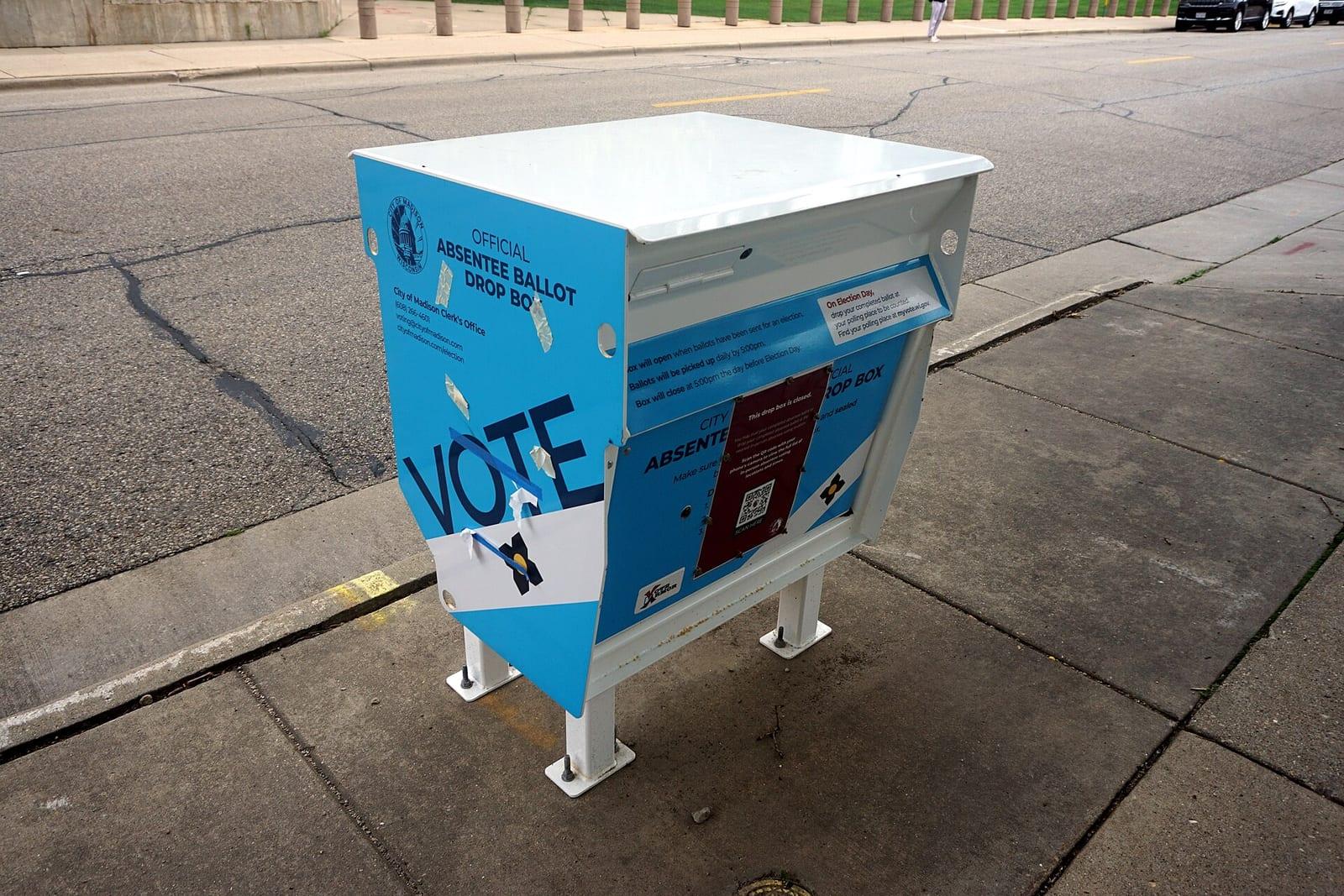
- If voting by mail, request your ballot as early as your state allows, and return it at least a week before Election Day or use an official drop box.
- Sign the envelope exactly as your state requires, and sign up for ballot tracking.
- If your ballot is flagged for a signature or other issue, follow your state's cure process right away.
- If voting in person, confirm your polling place, which may have changed with redistricting.
- If you are told you cannot vote, ask for a provisional ballot and call the nonpartisan Election Protection hotline at 866-OUR-VOTE.
05Go further
- Sign up to be a poll worker. Many counties are short staffed and pay for training and service.
- Volunteer with nonpartisan election protection programs as a poll observer or hotline volunteer.
- Help a friend or family member check their registration. It takes two minutes.
Opinion and analysis from the Feed After Midnight editorial desk. Facts, figures, and quotes are drawn from the reporting listed in the sources below and reflect what was known on the publish date.
Frequently asked questions
No. The SAVE America Act passed the House in February 2026 but has not passed the Senate, where it lacks the 60 votes needed to overcome a filibuster. It does not change the rules for the 2026 midterms.